
DR. DANIEL AEDO MARTÍN · MADRID
Scapholunate ligament injury
Wrist pain that persists after a fall deserves reassessment.
01
What it is
The scapholunate ligament links two wrist bones and coordinates their movement. Injury may affect stability, but tears vary in severity and consequence.
02
Symptoms
Dorsal wrist pain, reduced grip and clicking may occur. Loading the hand after an injury can be particularly uncomfortable.
03
Assessment
Examination and X-rays, sometimes with special views, are combined. MRI or arthroscopy may help in selected cases. Normal initial X-rays do not exclude every ligament injury.
04
Non-surgical treatment
Stable partial injuries may be treated with protection and selected rehabilitation. Suspected instability after a fall deserves early assessment because time since injury affects the options.
05
When surgery is considered
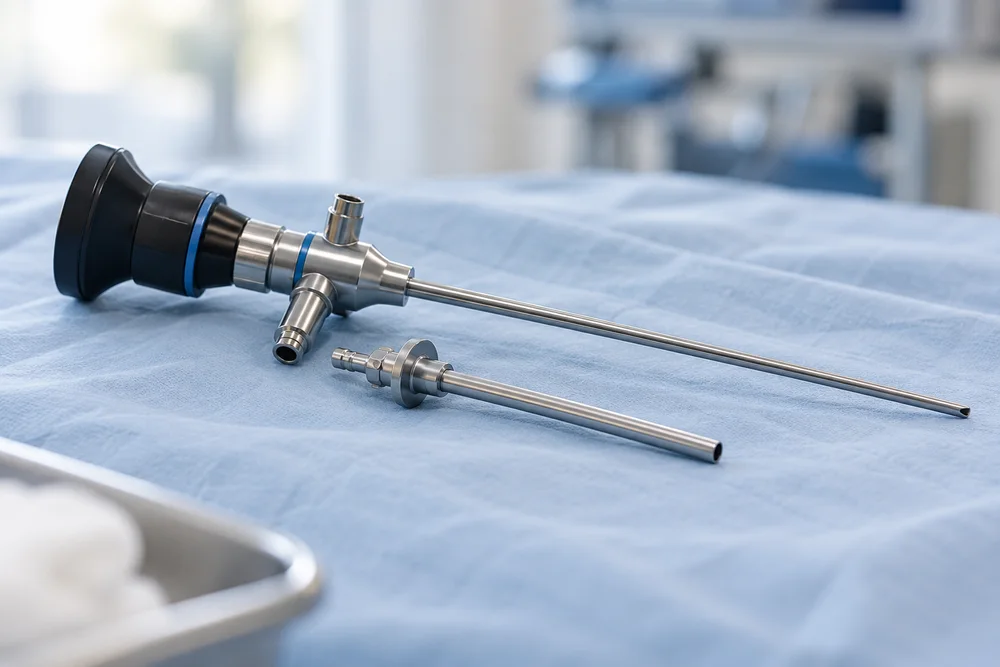
Treatment depends on chronicity, repairability and cartilage condition. Repair, reconstruction or other procedures may be needed. Arthroscopy helps characterise selected injuries as part of the overall assessment.
06
Recovery and follow-up
Repair or reconstruction may require extended protection. Movement, strength and loading return in stages. Work and sports goals are discussed according to the injury and procedure.
Frequently asked questions
Does clicking mean the ligament is torn?
No. Clicking has several causes and must be assessed alongside pain and examination.
Can I keep doing painful press-ups?
Avoid painful loading while persistent post-traumatic symptoms are being investigated.
Is this just a wrist sprain?
Sprains have different severities. Scapholunate injury with instability needs specific assessment.
Does time since the fall matter?
Yes. Repairability and cartilage condition can change. Persistent pain after trauma should not be ignored.
Does a normal MRI exclude injury?
Not in every case. It is interpreted with examination and X-rays; further investigation may be needed.
Will all movement return?
This cannot be guaranteed. Injury and surgical protection may limit movement; treatment balances stability, pain and function.
Further reading
General information to prepare for an appointment. Treatment and recovery are individualised.